

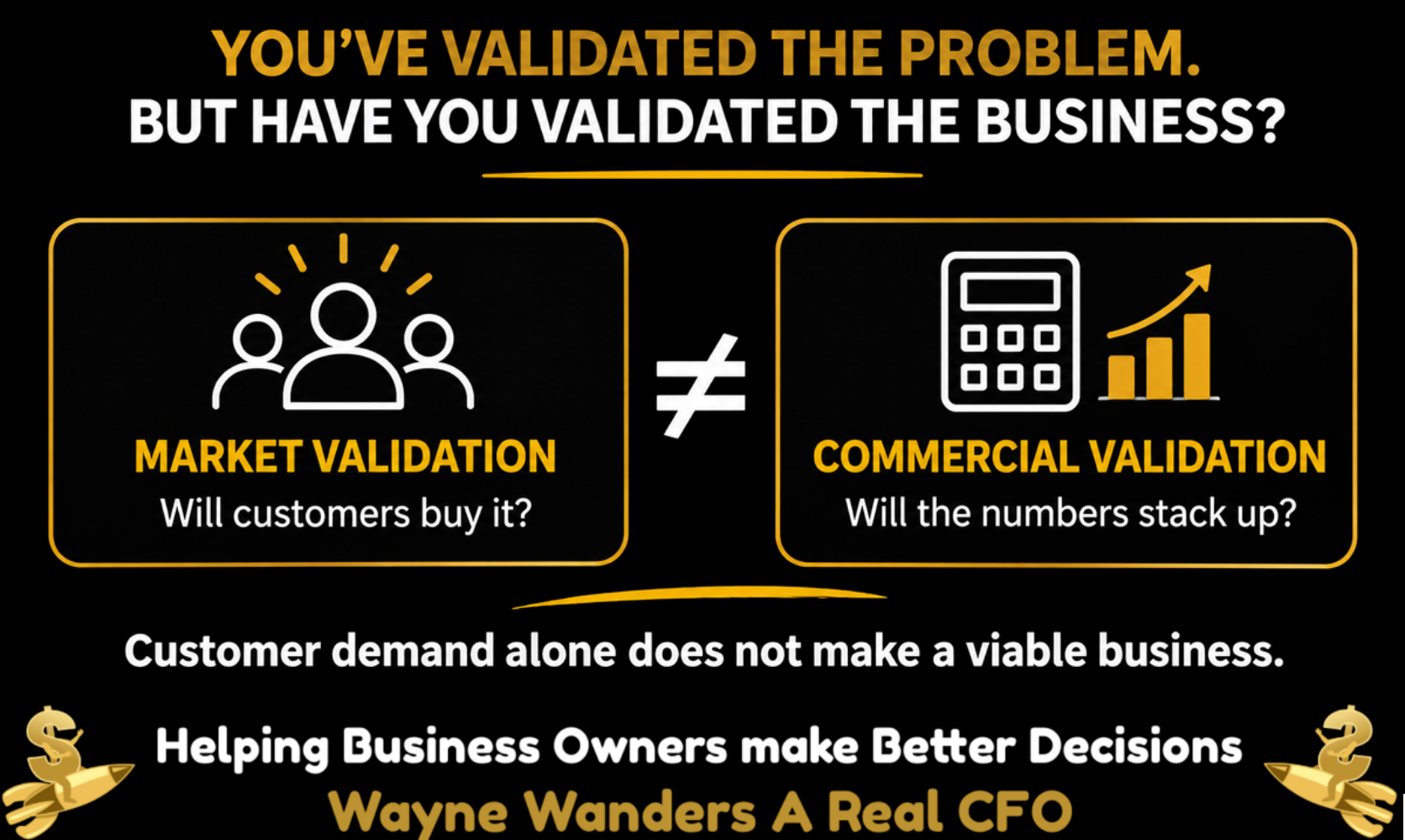
You’ve Validated the Problem. But Have You Validated the Business?
Reading the newly released 2026 Startup Muster Report, two numbers caught my attention.
When founders were asked what advice they would give someone starting a business, 29% recommended validating the problem and market demand, while only 7% mentioned careful financial management.
In my experience working with startups, founders often spend considerable time validating whether customers want their product or service.
But considerably less time is spent assessing whether they can build a financially viable business around it.
Validating market demand is not the same as validating commercial viability.
Market Validation Is Not Commercial Validation
Identifying a genuine problem and developing a solution that customers want are important steps in building a successful business.
However, customer demand does not automatically translate into a profitable or financially sustainable business.
Before committing significant time and money, founders need to understand the commercial implications of their business model.
Some fundamental questions include:
- Who will actually pay for your solution?
- How much are they prepared to pay?
- What will it cost to acquire and retain customers?
- What will it cost to develop and deliver your solution?
- Will every additional sale contribute towards profitability?
- How many customers will you need to build a profitable business?
- How much money will you need before the business becomes financially sustainable?
These are not just financial questions. They are fundamental business strategy questions.
When Every Sale Loses Money
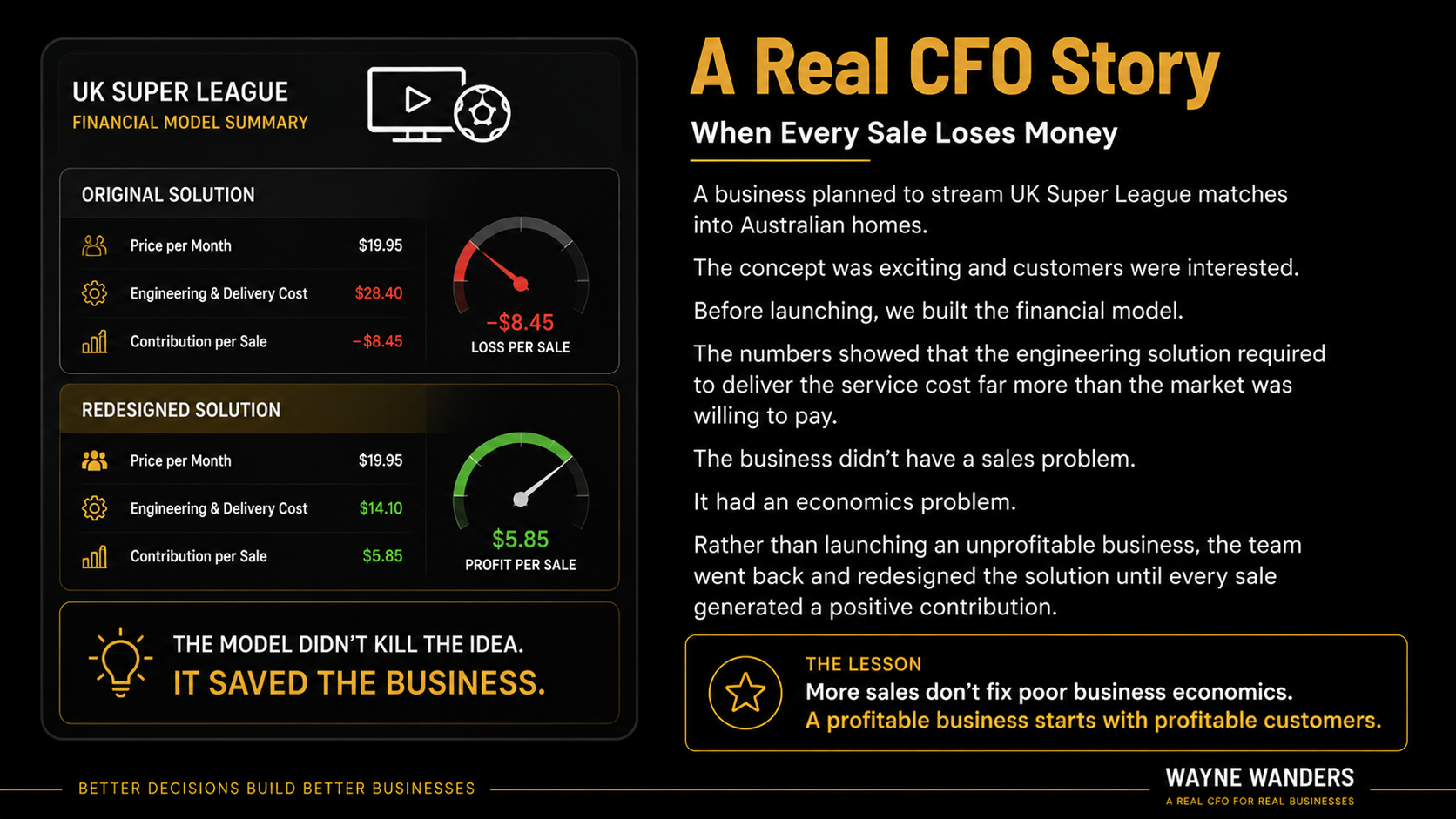
A business I worked with was looking to stream UK Super League matches into Australian homes.
The concept was exciting, there was customer interest, and the team had identified an opportunity in the market.
Before launching, we built a financial model to assess the commercial viability of the business.
The numbers revealed a fundamental problem. The cost of the engineering solution required to deliver the service was significantly higher than what customers were prepared to pay.
Under the proposed business model, every additional customer would actually increase the losses.
The business didn’t have a sales problem. It had an economics problem.
Rather than launching an unprofitable business, the team went back and redesigned the engineering solution until every sale generated a positive contribution towards profitability.
The financial model didn’t kill the idea. It helped reshape the business model so that each customer contributed towards covering overheads and generating a profit.
This is the value of assessing commercial viability before committing significant time, money and resources.
More sales don’t fix poor business economics. A profitable business starts with profitable customers.
Your Business Strategy Translated Into Numbers
I often tell founders that their financial model is simply their go-to-market strategy translated into numbers.
Through financial modelling and forecasting, founders can explore the relationship between customer demand, pricing, operating costs, profitability and funding requirements.
Pricing, costing and profitability analysis can also help determine whether the proposed business model generates sufficient margins to support a sustainable business.
Of course, early-stage founders won’t have all the answers.
That shouldn’t stop them from building a financial model.
Start with your best assumptions, identify which assumptions have the greatest impact on your business, test them and update your model as you learn.
The objective isn’t to produce a perfect forecast. It’s to make better business decisions.
Have You Tested the Financial Viability of Your Business Idea?
As an outsourced CFO, I work with founders and business owners to assess business feasibility and commercial viability before they commit significant time, money and resources.
Whether you’re launching a startup, developing a new product or exploring a new business opportunity, understanding the numbers early can help you make more informed decisions.
Every successful business starts with assumptions. Successful founders test them.
If you’re considering a new business opportunity and want to understand whether the numbers stack up, let’s talk.
Book a session with Wayne to discuss your business idea. →
If you’re considering whether an outsourced CFO is right for your business, a conversation is the best place to start, simply email or call me
No pressure, just a practical discussion about where your business is now and where you want it to go.
Further Reading: Financial Decisions Every Startup Founder Needs to Consider
This article is part of a series exploring the financial challenges highlighted in the 2026 Startup Muster Report and the decisions founders need to make when building a financially sustainable business.
More Startups Are Chasing Capital. How Well Prepared Are You?
Every Startup Has Two Cash Flow Forecasts. Most Founders Only Prepare One.
Your Startup’s Bank Balance Is Not Your Cash Flow Forecast
Your Accountant Tells You What Happened. Who Is Helping You Decide What Happens Next?
Source: 2026 Startup Muster Report.
About the author: Wayne Wanders is a Chartered Accountant with over 40 years of experience in business and finance. Since 2000, he has worked with founders and business owners as an outsourced CFO and strategic business adviser.
Want to Learn More about how an Outsourced CFO can help your business scale and grow profitably read on

Your Accountant Tells You What Happened. Who Is Helping You Decide What Happens Next?
Understand the difference between an accountant and an outsourced CFO, and how strategic financial leadership helps business owners make better decisions.
AI Can Give You an Answer. But Can You Trust It?
Just because AI can give you a financial answer doesn’t mean you should trust it. Discover essential AI governance rules for accountants and business owners.

Why Looking Through the Windscreen Matters More Than Your Rear-View Mirror: The Power of Financial Forecasting
Stop managing your business through the rear-view mirror. Discover how cash flow modeling, scenario planning, and outsourced CFO services drive future growth.

Beyond the Numbers: Why the Right CFO Focuses on Your Next Decision, Not Just Your Past Statements
An outsourced CFO shouldn’t just explain past numbers—they help you make better decisions. Learn how strategic advisory turns data into business strategy.
Outsourced CFO: Turning Numbers Into Decisions
An outsourced CFO turns financial data into clear, actionable insights so founders can make faster, better decisions and grow with confidence.
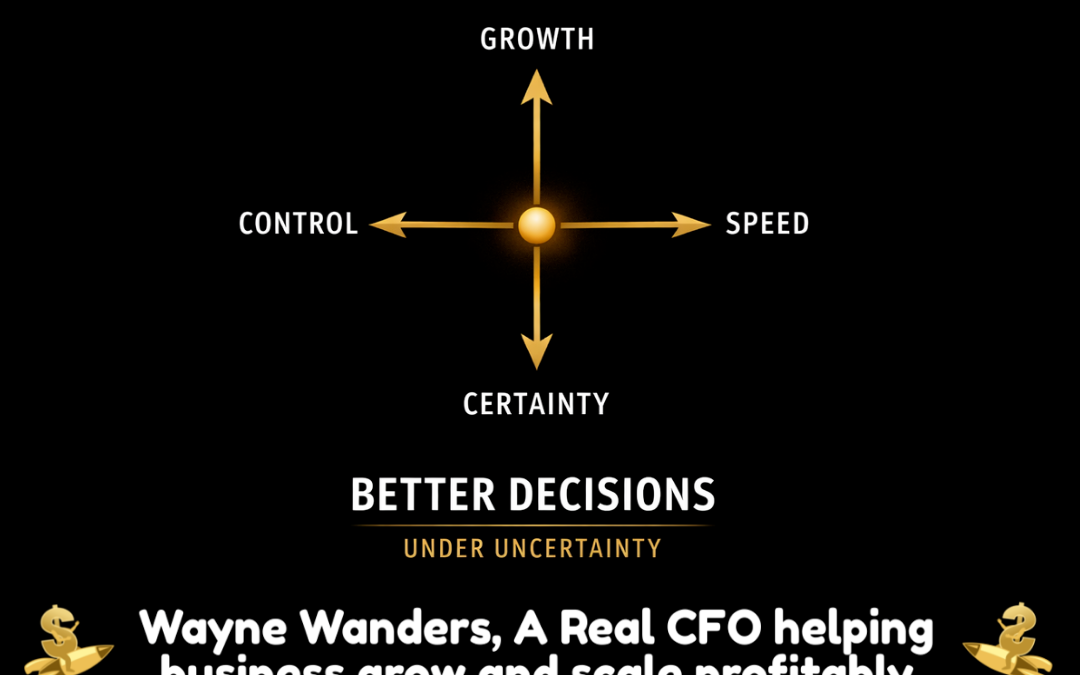
CFO Thinking: How Better Decisions Get Made Under Uncertainty
CFO thinking explained: 12 principles for better decisions under uncertainty, and how an outsourced CFO improves decision quality
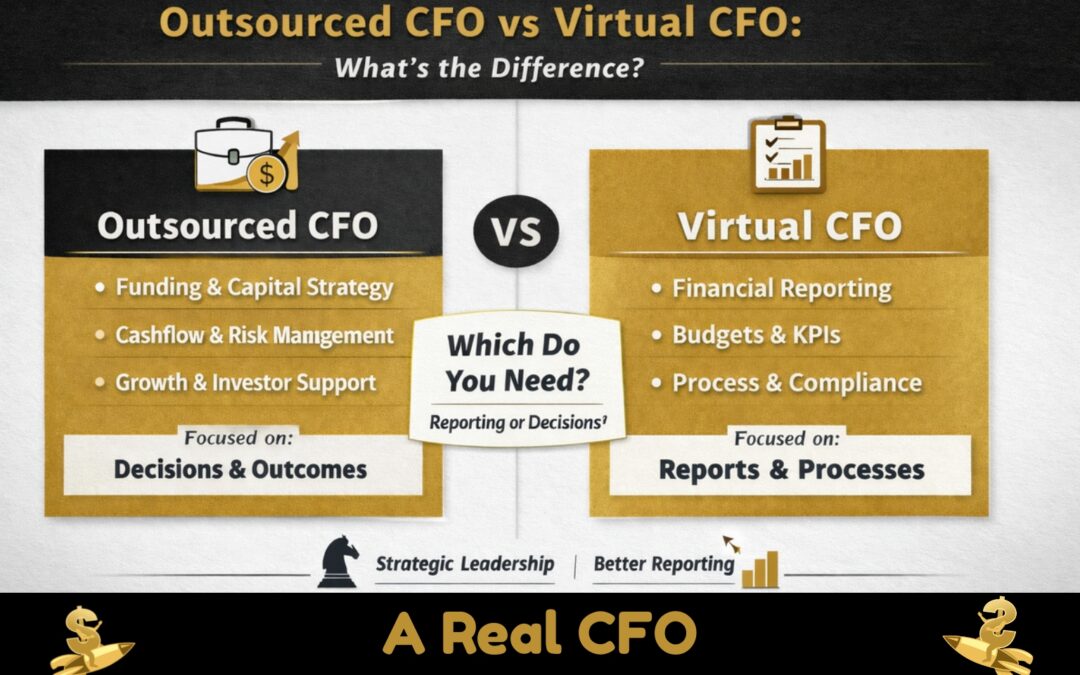
Outsourced CFO vs Virtual CFO, What’s the Difference?
Confused about outsourced CFO vs virtual CFO services? Learn the key differences & how to choose the right financial support for your business

Tax vs Management Reports: Why the Right Numbers Matter for SME Growth
Tax reports show compliance. Management numbers show how your business is really performing. Learn why forecasting matters for growth decisions.
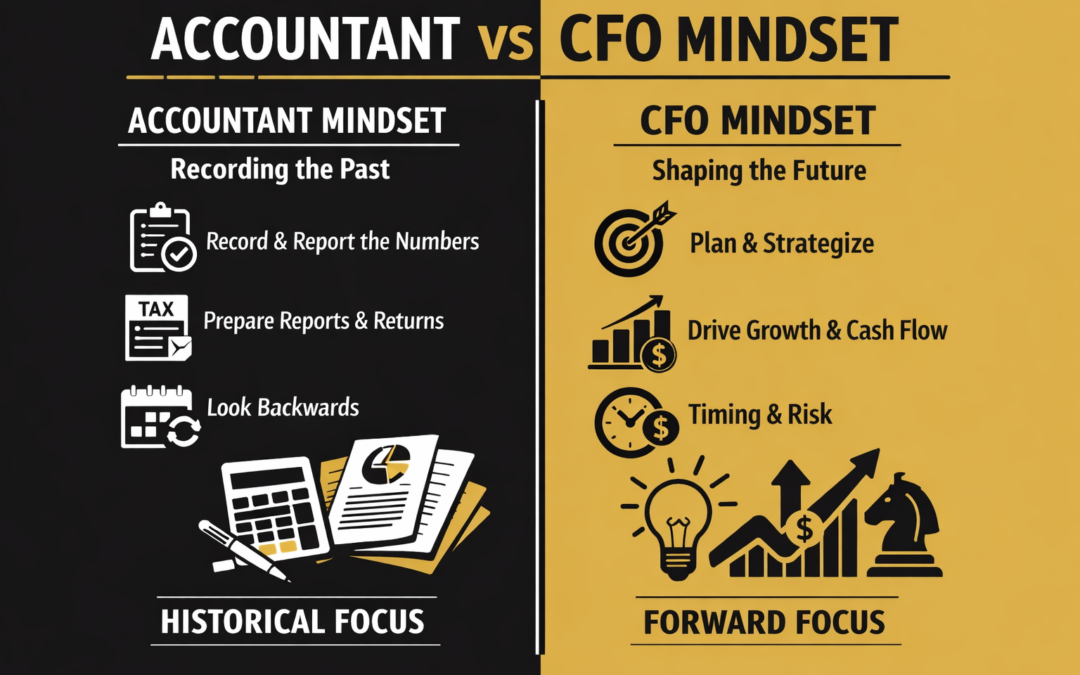
Accountant vs CFO Mindset
Discover the difference, accountant vs CFO mindset, and why small businesses need forward-looking insight, not just historical reports.
How Strengths Shape the Way I Help Business Owners Grow
A personal story on how strengths-based thinking helps business owners solve problems, make clearer decisions, and turn strategy into action
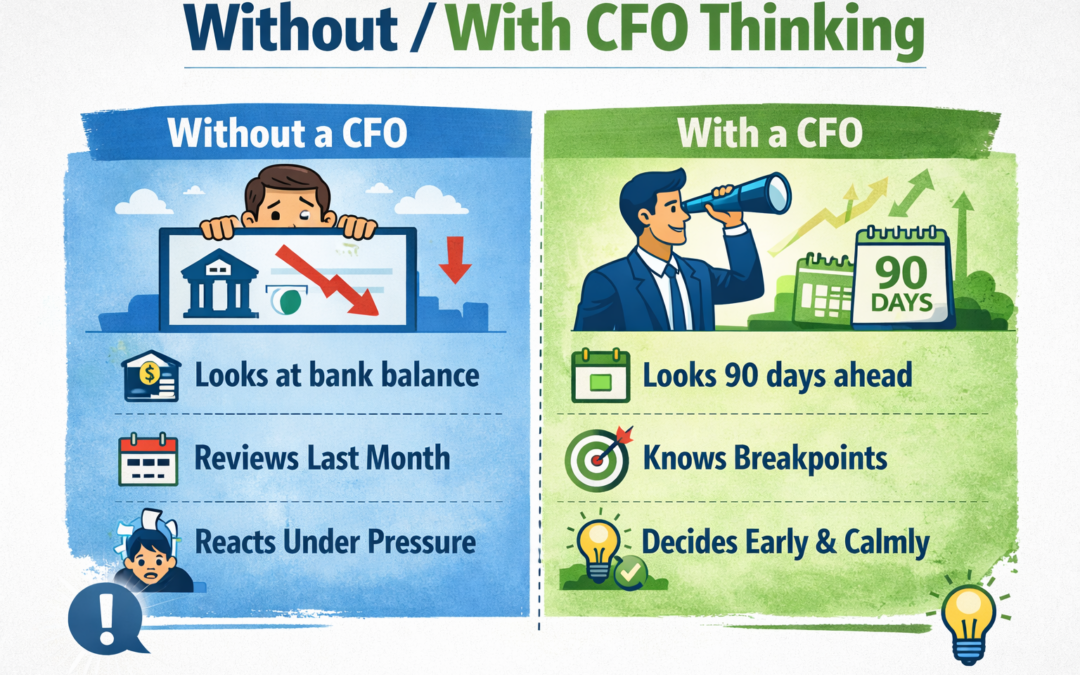
Most businesses don’t fail from lack of effort, they fail from lack of visibility
Most businesses don’t fail from lack of effort, they fail from lack of visibility. That’s what CFO thinking actually changes.
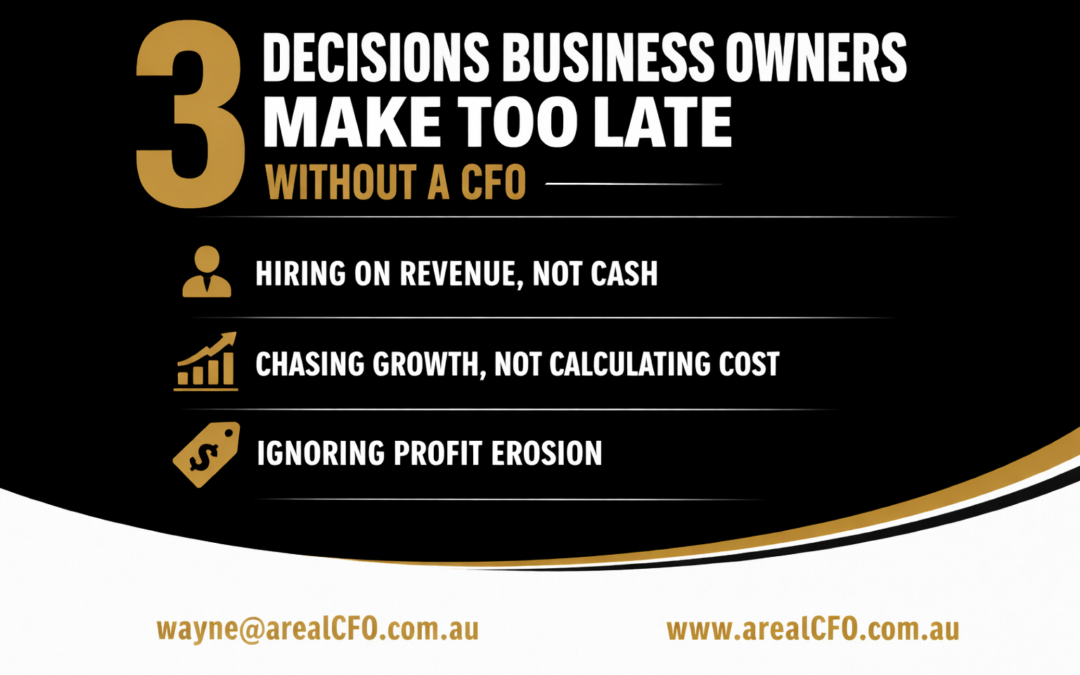
3 Decisions Business Owners Make Too Late Because They Don’t Have a CFO
3 decisions business owners make too late without a CFO. Learn how better timing, cash insight, and foresight protect your business.
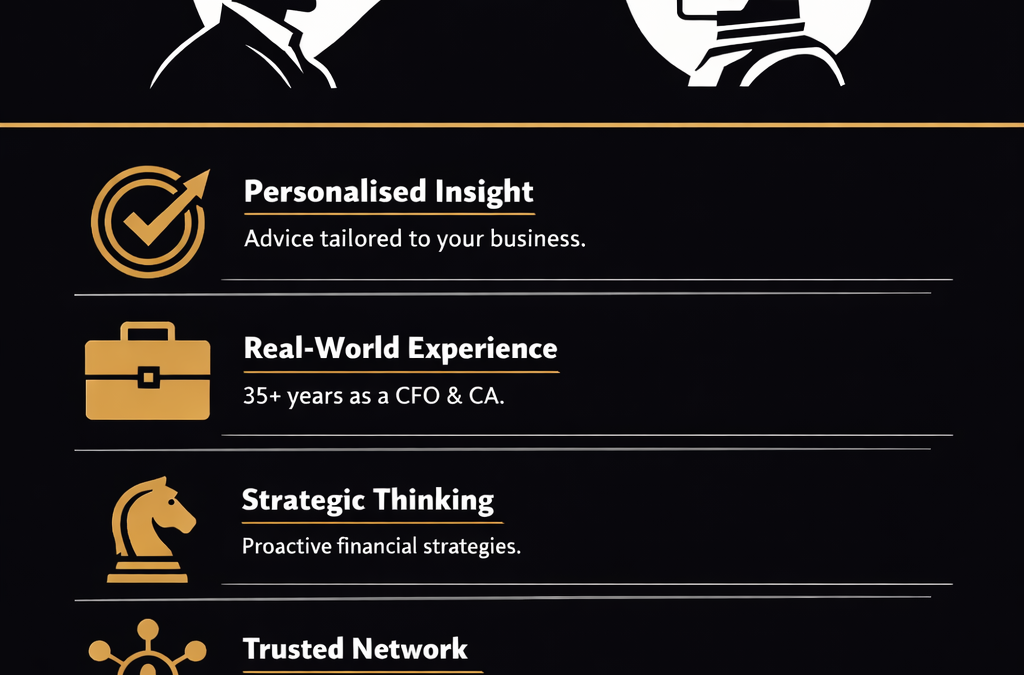
Why Talking to an Outsourced CFO Is Better Than Using ChatGPT
Discover why working with an outsourced CFO delivers deeper insight, strategic clarity, and real-world experience beyond AI tools like ChatGPT.
Why I Started My Business 25 Years Ago
That is why my outsourced CFO services remain focused on helping business owners, founders and CEOs scale and grow their business profitably.
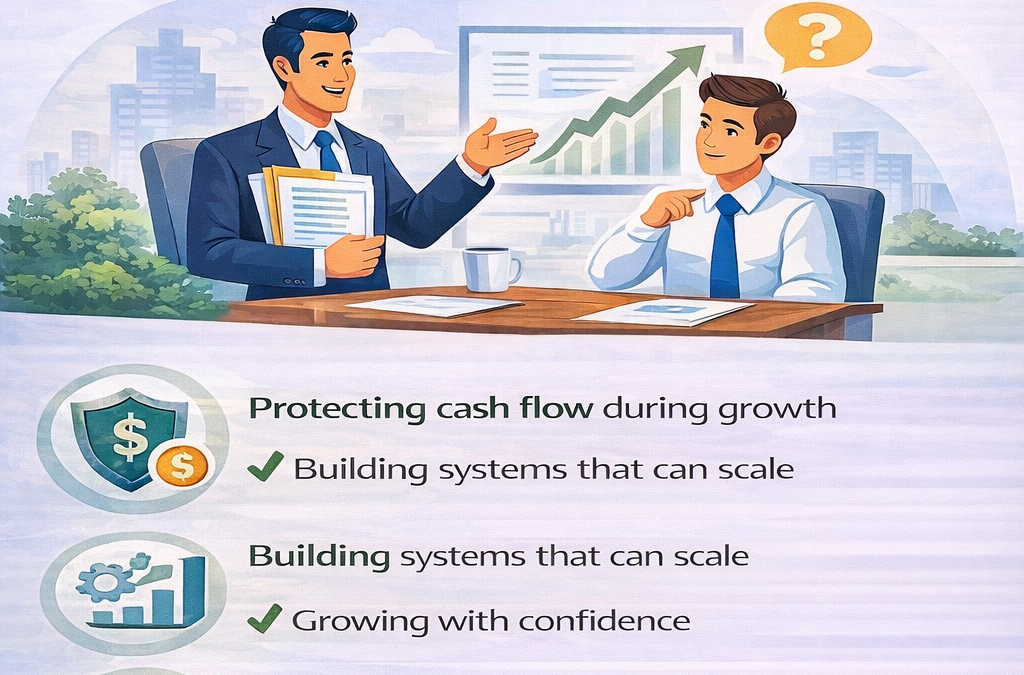
Scaling Without Chaos: How an Outsourced CFO Supports Growth
Explore how an Outsourced CFO helps businesses scale with control, protect cash flow, and grow with confidence.
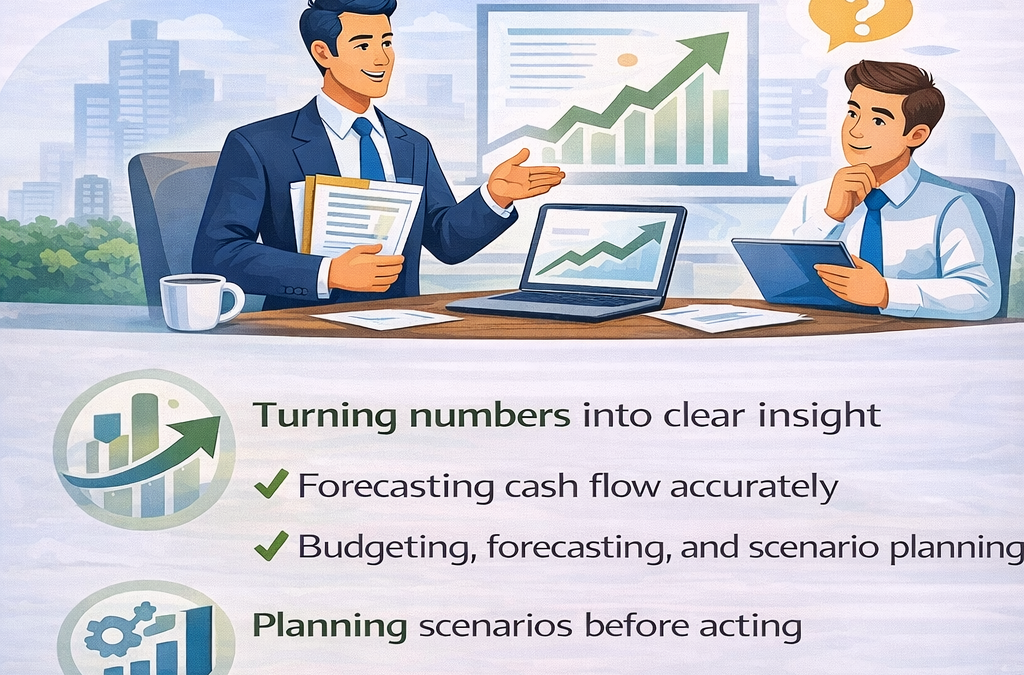
How an Outsourced CFO Helps You Make Better Decisions
Learn how an Outsourced CFO turns financial data into clear insights that support better decisions and stronger business outcomes.
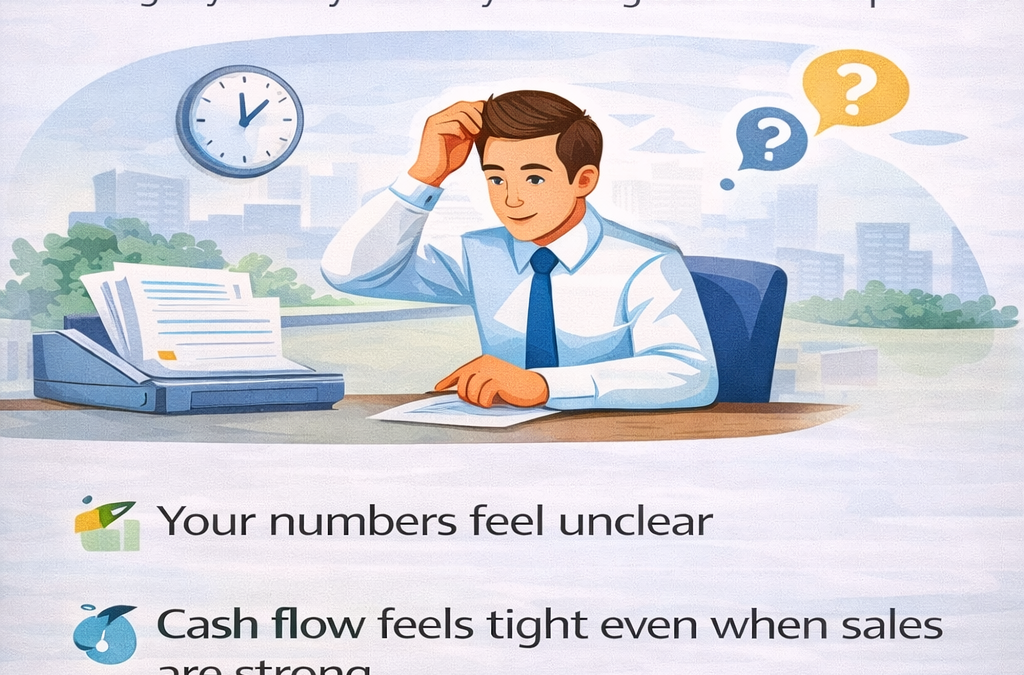
When Is the Right Time to Hire an Outsourced CFO?
Discover the key signs that your business is ready for an Outsourced CFO and how the right support can unlock clarity, confidence, & growth.
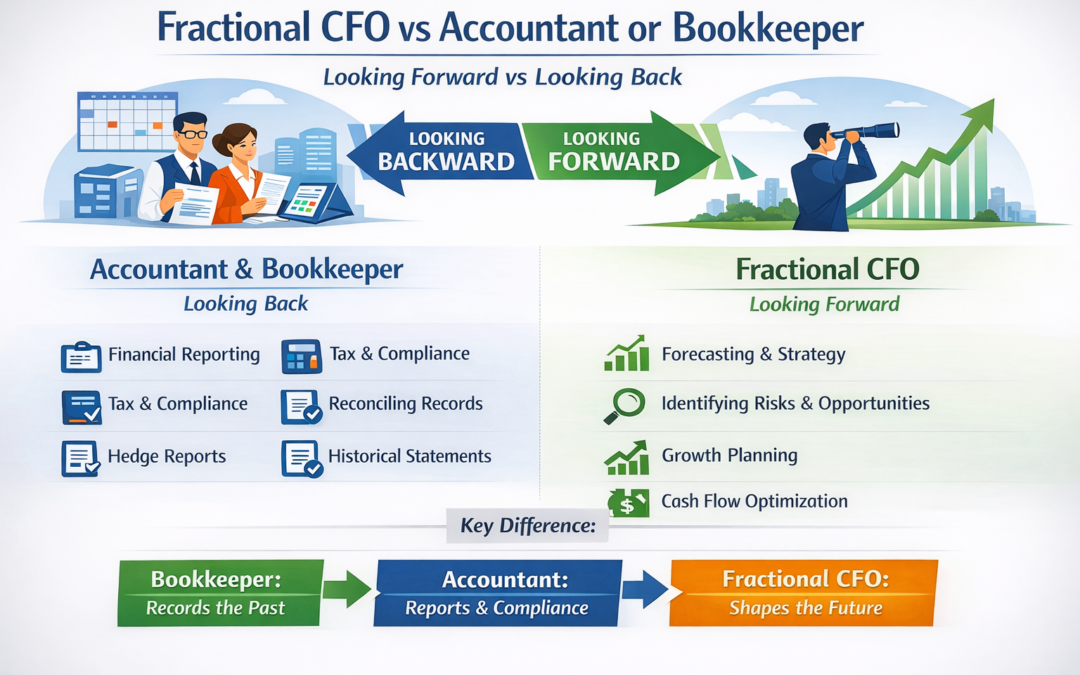
Fractional CFO vs Accountant or Bookkeeper
Understand the difference between a Fractional CFO & an accountant & how a forward-looking CFO helps drive growth, clarity, & better decisions
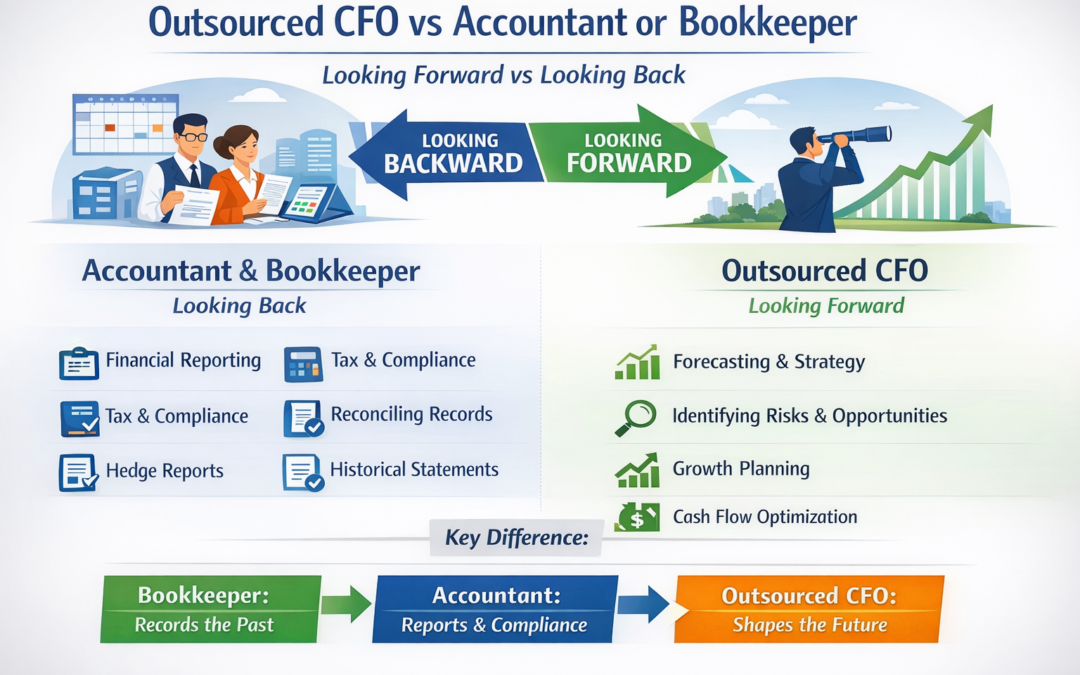
Outsourced CFO vs Accountant or Bookkeeper
Understand the difference between an Outsourced CFO and an accountant. Learn how a forward-looking CFO helps drive growth, clarity, and better decisions.

Wayne Wanders A Real CFO – Why I do what I do
Wayne Wanders A Real CFO and today I want to talk about why I do what I do, and why I love working with small and medium business owners

Why every small and medium business needs their own Chief Financial Officer (or cfo) and how you can afford this
Why every small and medium business needs their own Chief Financial Officer (CFO) and how you can afford this
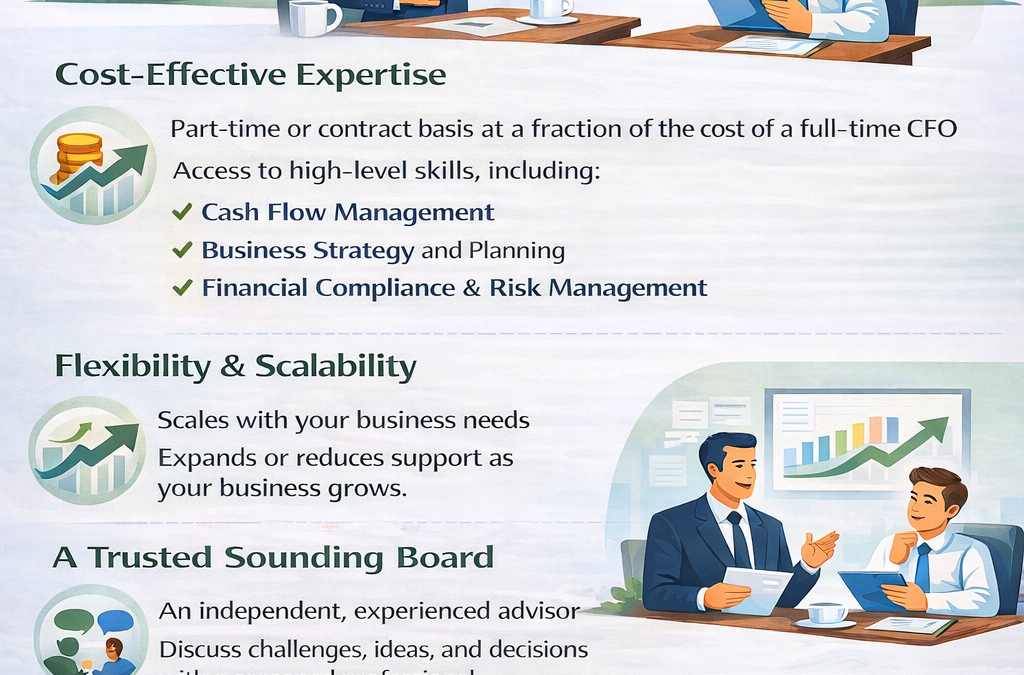
The Benefits of an Outsourced CFO
Explore the benefits of an Outsourced CFO for small businesses, from cash flow management to strategic financial guidance.
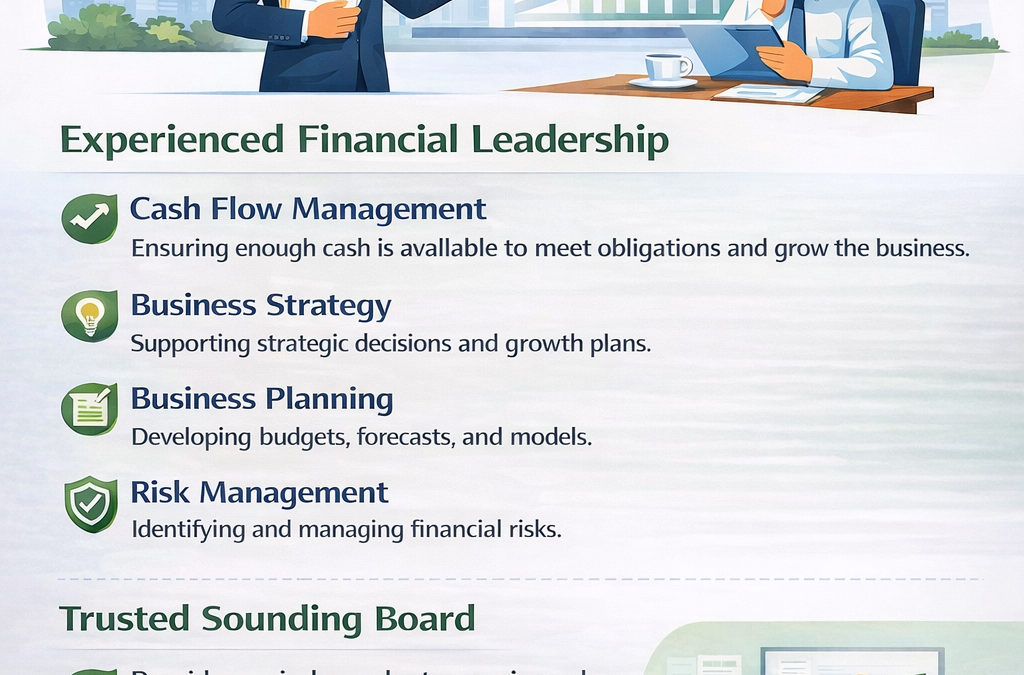
What does a Fractional CFO do?
Understand the role of a Fractional CFO and how experienced financial leadership can help small and growing businesses scale profitably
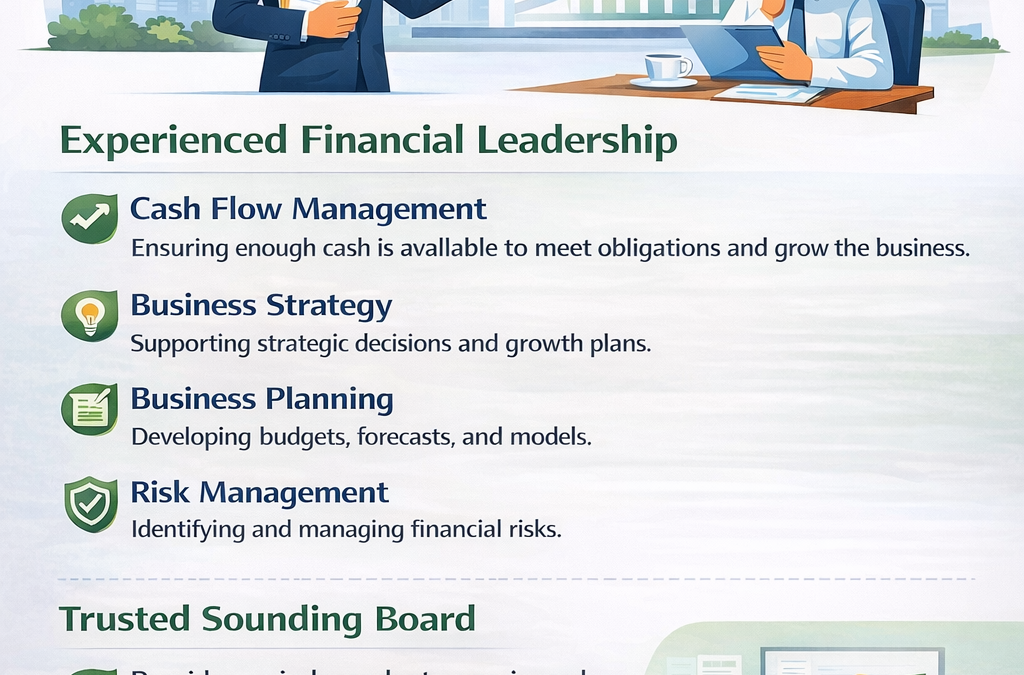
What does a Virtual CFO do?
Understand the role of a Virtual CFO and how experienced financial leadership can help small and growing businesses scale profitably
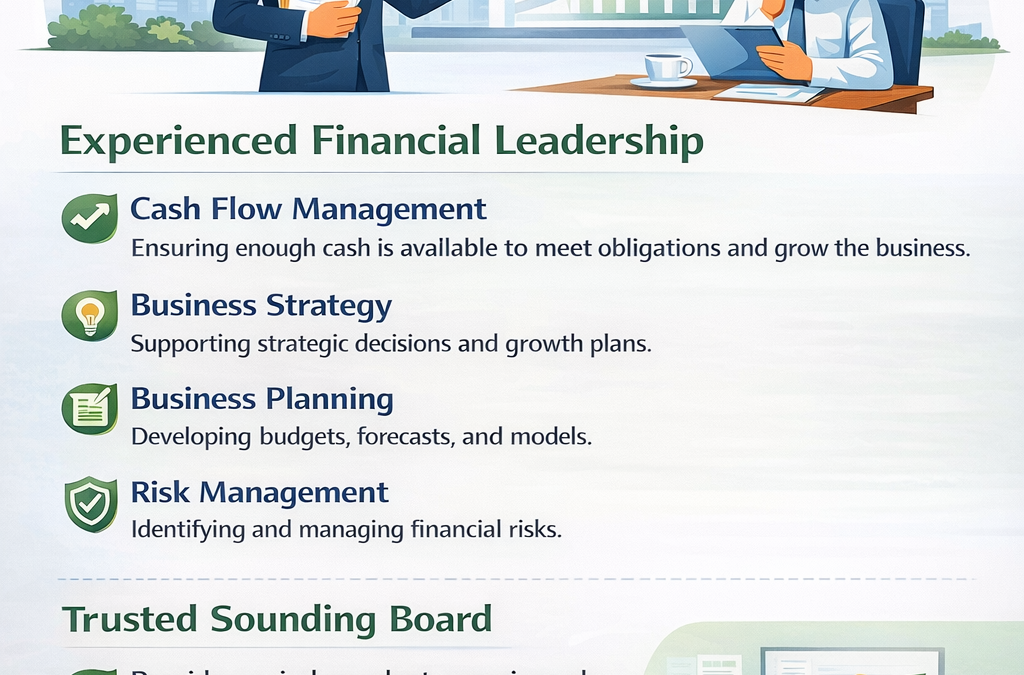
What does an Outsourced CFO do?
Understand the role of an Outsourced CFO and how experienced financial leadership can help small and growing businesses scale profitably
Why every business needs their own CFO and how you can afford this
Today I am going to talk about why every small and medium business needs their own Chief Financial Officer (or cfo) and how you can afford this.
Click on the below buttons to access other free Resources developed by Wayne Wanders, A Real CFO to help your business scale and grow profitably
And Wayne is always posting about new grants, funding options and other resources on LinkedIn that can help your business scale and grow profitably. Click on the below links and connect with Wayne or follow A Real CFO on LinkedIn.
